
led mirror backlit
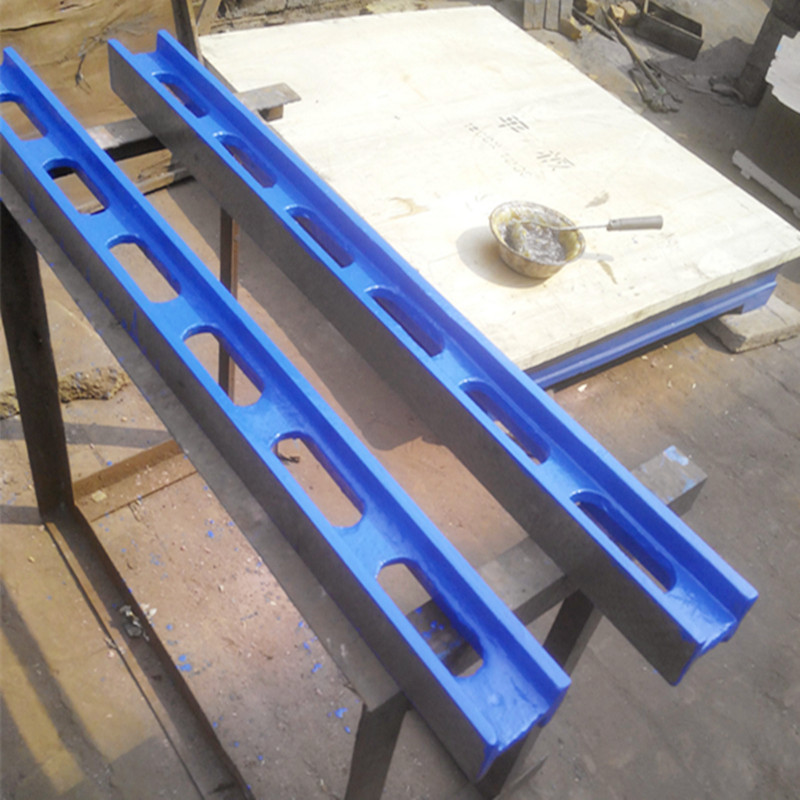
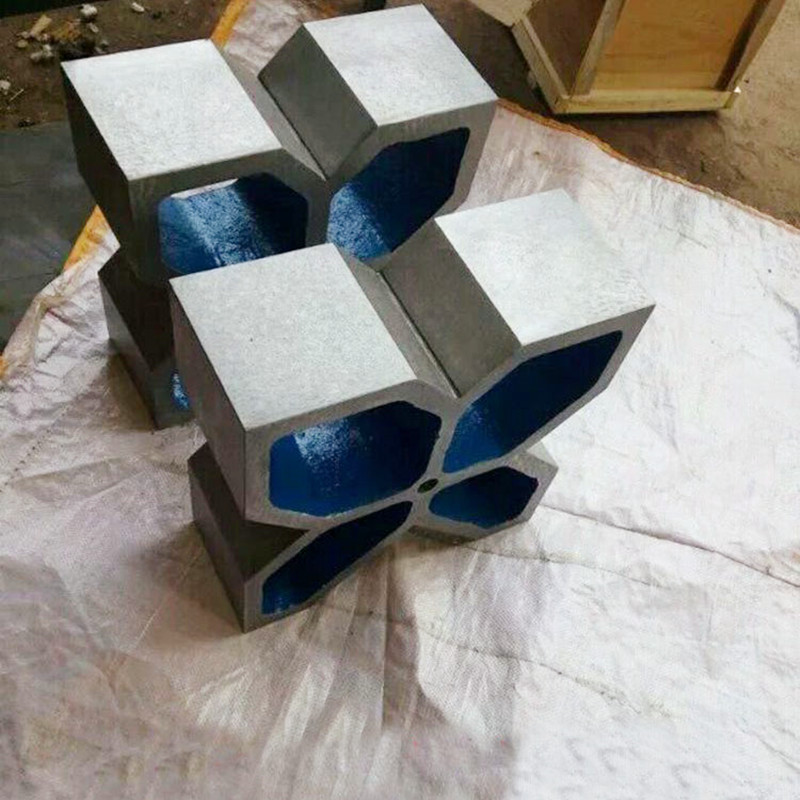
The Role of Metal V Blocks in Precision Engineering In the world of precision engineering, the importance of proper tooling and fixture solutions cannot be overstated. One such solution that has gained prominence in various industries is the metal V block. This ingenious device serves as an essential tool for holding and aligning workpieces, especially in processes such as grinding, machining, and assembly. In this article, we will explore the significance of metal V blocks, their applications, and their advantages in the manufacturing landscape. A metal V block is typically a rigid, rectangular piece of metal, featuring a V-shaped groove or channel that runs along its length. This design allows the workpiece to be securely held in place while ensuring that it is aligned correctly for machining or inspection. The versatility of the V block enables it to accommodate various shapes and sizes of materials, making it an indispensable fixture in machine shops and manufacturing environments. The Role of Metal V Blocks in Precision Engineering In addition to machining, metal V blocks are widely used for grinding operations. When grinding cylindrical or conical workpieces, maintaining consistent contact between the grinding wheel and the workpiece is essential to achieve the desired surface finish. The V block allows for easy positioning of the part at the correct angle, ensuring that the grinder can efficiently remove material while preserving the integrity of the workpiece. This not only improves the quality of the finished product but also extends the life of the grinding tools by minimizing uneven wear. metal v block Another notable application of metal V blocks is in the assembly and inspection processes. In many cases, components need to be assembled or inspected at specific angles to ensure their functionality. The V block provides a reliable and consistent platform for holding these components in place, streamlining the assembly process and allowing for accurate measurements during inspections. This is particularly beneficial in industries where precision is paramount, such as aerospace, automotive, and medical device manufacturing. One of the key advantages of using metal V blocks is their durability. Made from high-quality metals such as steel or cast iron, these blocks can withstand immense pressure and repetitive use without compromising their structural integrity. This longevity translates into cost savings for manufacturers, as they do not need to frequently replace these fixtures. Furthermore, metal V blocks can be easily customized to suit specific applications or workpiece dimensions. Many manufacturers offer V blocks in various sizes and configurations, allowing engineers and machinists to select the ideal solution for their unique requirements. Whether it be a block with multiple grooves for holding different shapes or a larger size for bulkier components, the adaptability of V blocks enhances their usability across different projects. The use of metal V blocks also promotes safety in the workplace. By securely holding workpieces during machining or inspection, they reduce the risk of accidents caused by slipping or moving parts. This contributes to a safer working environment, which is a critical consideration in any manufacturing setting. In conclusion, metal V blocks are a vital component in the realm of precision engineering and manufacturing. Their ability to provide a stable, aligned platform for machining, grinding, assembly, and inspection processes can't be understated. With numerous advantages, including durability, customization, and enhanced safety, it is no surprise that metal V blocks continue to be a preferred tool for engineers and machinists alike. As industries evolve and demand for precision manufacturing increases, the role of V blocks in facilitating high-quality production will only become more prominent, ensuring their place as an essential fixture in modern engineering practices.
about
led mirror backlit
How to Close the Water Valve A Step-by-Step Guide Closing a water valve is an important skill that every homeowner should learn. Whether you're dealing with a plumbing emergency, performing maintenance, or just reducing water flow, knowing how to properly close a water valve can save you time, money, and potential damage to your property. In this article, we'll explore the steps to successfully close a water valve and provide some additional tips for managing your plumbing system effectively. Understanding Water Valves Before we get into the steps, it's essential to understand what a water valve is and its function. A water valve is a mechanical device that controls the flow of water in your plumbing system. Valves can be found in various locations, such as near sinks, toilets, water heaters, and the main water supply line. There are different types of valves, including gate valves, ball valves, and globe valves, each operating slightly differently. - Gate Valve This type of valve is operated by turning the handle in a clockwise direction to close it. Gate valves are typically used for on/off service and are not designed for throttling flow. - Ball Valve This valve uses a spherical disk to stop the flow of water. To close a ball valve, simply turn the handle 90 degrees clockwise. - Globe Valve Globe valves are commonly used for regulating flow. They can be closed by turning the handle clockwise, similar to gate valves. Step-by-Step Guide to Closing a Water Valve 1. Locate the Valve The first step is to locate the water valve you want to close. Common places include under sinks, behind toilets, near appliances, or at the main water supply line. If you're unsure, you can follow the water supply line from the fixture or appliance to find the valve. 2. Assess the Valve Type Once you find the valve, determine which type it is. This will influence how you operate it. Make sure you have a clear understanding of whether it's a gate valve, ball valve, or globe valve. 3. Prepare the Area Before closing the valve, it’s a good idea to clear the area around it. This will give you enough space to maneuver and prevent any accidents . If there's any water leaking, use a towel or a bucket to catch it. how to close the water valve 4. Turn Off the Valve - For a gate valve, grip the wheel handle and turn it clockwise until it won't turn anymore. Don’t force it; just turn until you feel resistance. - For a ball valve, turn the lever handle 90 degrees in the clockwise direction until it’s perpendicular to the pipe. - For a globe valve, turn the handle clockwise until it stops. 5. Check for Leaks After closing the valve, it’s essential to check for leaks. Go back to the fixture or appliance and look for any signs of water escaping. If there’s a leak, tighten the valve handle slightly more or consider replacing the valve. 6. Documentation and Maintenance Make a note of the valve's location and any maintenance you've performed. Regular check-ups of your valves can help ensure their reliability. Additional Tips - Use Caution If the water pressure is high, water may spew out when you first start to turn the valve. Be prepared to handle this and, if necessary, use a towel to mitigate splashing. - Have Tools Ready Sometimes valves can be rusted or stuck. In such cases, having a pair of pliers or a wrench may help. - Know Your Main Valve Always know where your main water shut-off valve is located. In an emergency, being able to quickly shut off all water supply can prevent extensive water damage. - Consider Professional Help If you're unsure about closing a valve or if it seems damaged, it’s wise to consult a professional plumber to avoid complications. In conclusion, closing a water valve is a vital skill that can make a significant difference in maintaining your home’s plumbing system. By following these steps and being aware of your valves, you'll be better equipped to handle any plumbing situation that arises.
-

High quality industrial productsagement

High quality industrial products
View Details -

Meet the diverse needs of customers

Meet the diverse needs of customers
View Details -

Strict quality control

Strict quality control
View Details -

Top raw materials

Top raw materials
View Details -

Trusted supplier

Trusted supplier
View Details
Our application

news and information
vratový ventil z oceli
Ocelové klapky Klíčový prvek v průmyslových aplikacích Ocelové klapky, známé také jako klapkové vent

Wasserdrückregelventil - Effiziente Steuerung für Ihre Wasserversorgung
Druckregelventile für Wasseranwendungen Druckregelventile spielen eine entscheidende Rolle in der Wa
welding table china
The Rise of Welding Tables in China A Comprehensive Overview Welding tables play a crucial role in v
 English